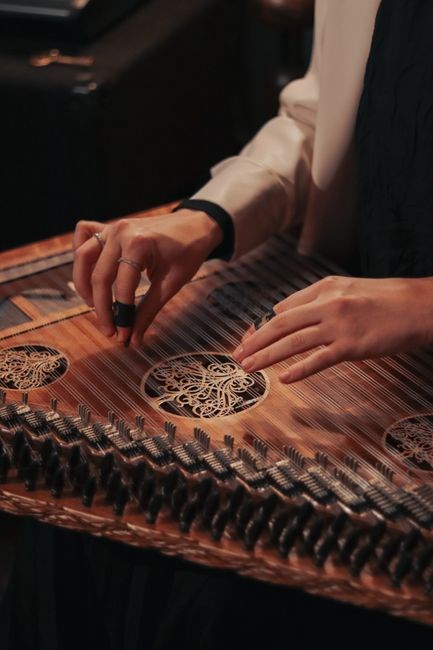
Mountain dulcimer chord chart PDFs offer a concise visual guide, outlining strings, frets, and finger positions. They simplify learning by presenting chords in a clear, printable format, enabling quick reference during practice or performance without complex notation.
Quick chord lookup, fast.!!
Understanding the role of chord charts in learning the dulcimer
Chord charts serve as a bridge between abstract theory and tactile practice. For the mountain dulcimer, a stringed instrument with a distinctive resonant body, the visual representation of finger positions, string numbers, and fret indices translates complex harmonic concepts into a format that can be immediately applied. When a beginner first holds the dulcimer, the instrument’s layout—typically three or four strings tuned in a diatonic or chromatic sequence—can feel overwhelming. A well‑structured chord chart simplifies this by presenting each chord as a grid: the horizontal axis denotes the strings, while the vertical axis indicates the frets. The intersection points are marked with symbols or numbers that guide the player’s fingers, often accompanied by color coding or shading to indicate which strings should be muted or emphasized. This spatial arrangement reduces cognitive load, allowing the learner to focus on muscle memory rather than memorizing complex fingerings from memory alone.
Beyond basic chord shapes, advanced charts incorporate rhythmic notation, slurs, and dynamic markings, enabling students to internalize not only the harmonic foundation but also the expressive contours of a piece. By aligning the visual cues with the instrument’s physical response, players can develop a more intuitive sense of timing and phrasing. Furthermore, chord charts can be annotated with capo positions, alternate tunings, or suggested voicings, providing a flexible framework that adapts to varied musical contexts. This adaptability is crucial for the dulcimer, which is often used in folk, bluegrass, and contemporary settings where quick transitions between keys or modal shifts are common.
Chord charts also serve as a reference for advanced techniques such as hammer‑pulls, slides, and harmonics. By studying the diagram, players can see how to position their fingers for these embellishments, and the rhythmic notation indicates when to execute them. This visual aid speeds up learning and encourages experimentation, allowing musicians to explore new sounds without extensive theory study. These charts also include capo positions for key changes.
Advantages of Using PDF Chord Charts
PDF chord charts offer portability, instant access, and consistency across devices. They preserve layout, avoid printing errors, and allow easy sharing with peers. With a single file, musicians can practice anywhere, update chords, and archive progress for future reference. Quick lookup. Shareable!!!!
Portability, consistency, and ease of sharing
Portable PDF chord charts for the mountain dulcimer allow musicians to carry a single, lightweight file that can be viewed on smartphones, tablets, laptops, or printed on demand. The fixed layout ensures that every chord symbol, string diagram, and fingering instruction appears exactly as intended, regardless of the device or screen resolution. This consistency eliminates the risk of misreading a chord due to formatting differences that often occur in scanned images or hand‑drawn sheets. Moreover, PDFs support hyperlinks and bookmarks, enabling quick navigation between sections or specific songs. Sharing is effortless: a single file can be emailed, uploaded to cloud services, or embedded in a website, ensuring that collaborators receive the same accurate version without version control headaches. The ability to annotate directly on the PDF with digital pens or sticky notes further enhances collaborative learning, allowing teachers to add personalized tips or students to mark practice progress. In addition, many PDF readers offer zoom and rotation features, making the charts accessible for users with varying visual acuity or preferred viewing angles. The combination of portability, consistency, and ease of sharing makes PDF chord charts an indispensable tool for both beginners and seasoned dulcimer players, fostering a unified learning experience across diverse platforms. These PDFs also support annotations, allowing musicians to highlight chord changes and add notes.

Where to Find Reliable PDF Chord Charts
Reliable PDF chord charts for the mountain dulcimer can be sourced from reputable publishers, dedicated dulcimer societies, and well‑maintained online forums. Many sites offer free downloads, while others provide premium collections in high‑resolution PDF format. These charts stay current, aiding learning.
Reputable websites, forums, and official publishers
Reliable mountain dulcimer chord chart PDFs come from a few trusted sources. Official publishers such as Folkways Press and Mountain Music Publishing produce professionally designed charts that match their instructional books. These PDFs are often bundled with lessons or sold separately, guaranteeing consistency and accuracy.
Dedicated online communities provide peer‑reviewed charts. The Mountain Dulcimer Forum on Reddit and the Fiddle & Dulcimer Community on Facebook host user‑generated PDFs that are frequently updated by experienced players. These resources are freely shared, but users should verify that the charts are current.
Educational platforms like Udemy, Skillshare, and Coursera occasionally offer downloadable chord chart packs as part of their courses. These charts are created by certified instructors and come with detailed explanations, making them ideal for beginners and advanced players alike.
Major music retailers, including Musician’s Friend and Amazon, sell PDF chord chart bundles. While convenient, it’s wise to check user reviews and source credibility to avoid outdated or incorrect information. Enjoy!!!!
When downloading PDFs, always inspect the file size, resolution, and user feedback. A high‑quality chart will feature clear string names, fret numbers, and finger‑position diagrams. By choosing reputable sites, forums, and official publishers, you can trust that the chord charts will support accurate, efficient learning and performance.

How to Interpret a Mountain Dulcimer Chord Chart
Mountain dulcimer chord charts display strings horizontally, frets vertically, and finger numbers below each string. Read left to right: the first column shows the open string, subsequent columns indicate pressed frets. Follow the numbers to place fingers correctly. Use the diagram to align your handsmooth
Reading tablature, finger placement, and rhythm indicators

Mountain dulcimer tablature is a visual shorthand that shows where to place your fingers on the fretboard and how to strike the strings. The chart is laid out with horizontal lines representing the strings and vertical columns indicating the frets. Numbers placed on the lines tell you which fret to press; a zero or blank means the string is played open. When a number appears on multiple strings in the same column, you hold all those frets simultaneously, forming a chord. If the number is followed by a slash or a dash, it indicates a slide or a muted note, respectively. For rhythm, many charts include simple rhythmic notation beneath the tablature: a solid bar indicates a full beat, a hollow bar a half beat, and a dotted bar a dotted rhythm. Some charts also use small icons—such as a hammer‑on or pull‑off symbol—to show advanced techniques. To read the chart, start at the leftmost column and move right, striking each string as indicated. Pay attention to the spacing between columns; tighter spacing usually means faster tempo. Practice slowly, focusing on clean finger placement, and gradually increase speed as you become comfortable with the rhythm patterns. By mastering the visual cues in the chart, you can translate the written diagram into fluid, expressive playing on the dulcimer.
Finger placement is crucial for tone and ease of play. The dulcimer’s neck is narrow, so using the index, middle, and ring fingers on the frets is common. The thumb usually rests on the bridge or the back of the instrument to provide stability. When a chord requires three fingers, place the index on the lowest string, the middle on the middle string, and the ring on the highest string. This natural hand position reduces strain and allows quick transitions. Some players prefer to use a capo or a capo‑like device to shift the entire key up, which changes the relative positions of the chords but keeps the fingering pattern the same. When the chart shows a capo, simply shift the finger numbers up by the capo’s fret number. Additionally, keep an eye on the rhythmic notation: a series of quarter notes, eighth notes, or triplets will dictate how many times you strike each string within a measure. If the chart shows a syncopated pattern, you may need to accent certain beats by striking harder or softer. Practice with a metronome to internalize the timing before playing along with a recording or backing track. Over time, the visual layout of the chart will become second nature, allowing you to focus on musical expression rather than technical detail.
Creating Your Own PDF Chord Charts
Use free design tools like Canva or Scribus to draft tablature grids. Insert string lines, fret numbers, and chord symbols. Export as PDF, ensuring clear fonts and proper margins. Store in a dedicated folder and back up online for easy sharing. Keep notes future edits!
Tools and templates for designing custom charts
Creating a mountain dulcimer chord chart PDF starts with choosing the right software. Free vector editors like Inkscape or LibreOffice Draw let you draw clean lines and place symbols precisely. Canva offers drag‑and‑drop templates for custom chords.
Begin by sketching the layout: six horizontal lines represent dulcimer strings, numbered 1–6. Add vertical markers for frets up to the 12th. Create a table with gridlines and adjust cell dimensions if needed.
Insert chord symbols. Use Arial or Calibri for readability. Place chord name above corresponding fret positions. Draw small circles or dots on the grid; color‑code them (blue for index, red for middle) to aid memory.
Rhythm indicators can be added as icons or text. Place a metronome symbol next to the chord to suggest tempo. Embed tablature lines beneath chord names, using monospace font to align notes.
Export the file as a PDF. In Inkscape, choose File > Export PDF; in Canva, click Download > PDF Print. Verify that text is selectable and grid lines remain crisp at 300 dpi.
Store the source file in a cloud folder (Google Drive, Dropbox). This allows others to tweak the chart without compromising the layout. Share the PDF via email or a dedicated website and encourage feedback to refine future versions.
These PDFs can be annotated with notes, tempo markings, or personal shorthand, making them a versatile study aid for practice or group sessions Keep them updated as you learn new chords
Advanced Chord Techniques and Transposition
Explore capo placement, key shifts, and chord inversions to broaden your dulcimer repertoire. Use PDF charts to map transposed chords, adjust fingerings for higher registers, and experiment with slide techniques for expressive phrasing. Try it!!!!!
Incorporating capo, key changes, and chord variations
When working with mountain dulcimer chord chart PDFs, the capo becomes a powerful tool for altering tonality without re‑learning finger positions. Placing the capo on the first or second fret shifts every chord up a half‑step or whole step, respectively, allowing you to play in keys that better suit vocal ranges or instrument tuning. Because the dulcimer’s open strings are tuned to a diatonic scale, a capo can also expose alternate chord voicings that are otherwise inaccessible. For example, a capo on the third fret turns the standard G major shape into an A major, while the same shape becomes a B♭ major when the capo sits on the fourth fret.
Key changes can be achieved by shifting the entire chord chart up or down. Most PDF editors allow you to copy the existing diagram and then apply a transposition function, which automatically recalculates finger positions for the new key. When transposing, pay attention to the dulcimer’s open string notes; moving from G to A may require adjusting the open string to maintain harmonic integrity. Additionally, some chord charts include optional “slip” positions, where the left hand slides between frets to create a glissando effect.
Chord variations such as suspended, seventh, or extended chords can be incorporated by adding extra fretted notes or altering the standard shape. For instance, turning a simple G major into a G7 involves adding a low B on the third string, while a G6 might include a high E on the second string. PDF charts often display these variations in a separate column, allowing quick reference. By mastering capo placement, key transposition, and chord extensions, players can vastly expand their repertoire and adapt to any musical context.
Use the capo to shift keys while keeping shapes now and add chord extensions for depth!

Organizing, Storing, and Sharing PDF Charts
Use folders, descriptive names, and cloud sync. Tag files with key, difficulty, and date. Back up to multiple services. Share via links or email, ensuring PDF compatibility. Keep a master index for quick lookup. Use bookmarks for sections. tags.!!!
Mountain dulcimer chord chart PDFs are best managed with a clear folder hierarchy: a root folder named “Dulcimer Charts” and sub‑folders for each key, difficulty level, or project. Use consistent, descriptive filenames such as “C_major_advanced.pdf” or “Intro_to_Bass.pdf”. This naming convention allows you to search quickly by keyword or date. Incorporate version numbers (v1, v2) to track edits without overwriting originals. Tag files with metadata—most cloud services let you add custom tags or comments. For example, tag “practice” or “performance” to filter later. If you prefer a local backup, copy the entire “Dulcimer Charts” folder to an external SSD or USB drive every week. Consider using a file‑sync tool that supports incremental backups to save bandwidth. Finally, maintain a master index spreadsheet that lists each chart, its location, tags, and notes. This index becomes a quick reference and audit trail, ensuring you never lose a chart or forget where a particular arrangement resides. By following these steps, you’ll keep your chord charts organized, secure, and accessible from any device, making practice sessions smoother and collaboration effortless. To streamline collaboration, consider embedding hyperlinks to audio samples or video demonstrations within the PDF, allowing students to hear the chord in context. Additionally, annotate each chart with suggested strumming patterns or rhythmic variations, and include a brief historical note about the chord’s origin in Appalachian music.This enriches the learning experience and provides a deeper appreciation of the instrument’s cultural roots. Done.
Useful Resources and Next Steps
Explore online forums, video tutorials, and community groups dedicated to the mountain dulcimer. Join Discord servers or Facebook pages for live feedback. Subscribe to newsletters from reputable publishers for new PDF releases. Practice regularly, share your progress, and keep learning. Enjoy! 🎶 🎵
Online tutorials, community forums, and practice strategies
Begin by searching for video lessons that walk through basic chord shapes and strumming patterns. Many channels on YouTube feature step‑by‑step guides, from beginner introductions to advanced finger‑style techniques. Pay attention to how instructors demonstrate finger placement on the dulcimer’s three‑string layout, as visual cues help cement muscle memory.
Next, join dedicated forums such as the Mountain Dulcimer Forum or the Dulcimer section on Reddit. These communities host discussions on gear, tuning, and repertoire. Members often share downloadable PDF chord charts, transcriptions, and performance tips. Engaging in Q&A threads can clarify doubts about chord voicings or rhythmic notation.
For structured practice, set a daily routine that alternates between chord drills, song practice, and improvisation. Use a metronome to maintain steady tempo while playing chord progressions. Record yourself to track progress and identify areas needing improvement. Incorporate ear‑training exercises by listening to recordings and attempting to replicate chord changes without visual aid.
Finally, consider collaborating with other players. Organize virtual jam sessions where you can share PDF charts, exchange feedback, and experiment with new arrangements. The combination of visual resources, community support, and disciplined practice will accelerate your mastery of the mountain dulcimer.
Consistency beats intensity practice few minutes and watch your skills bloom.